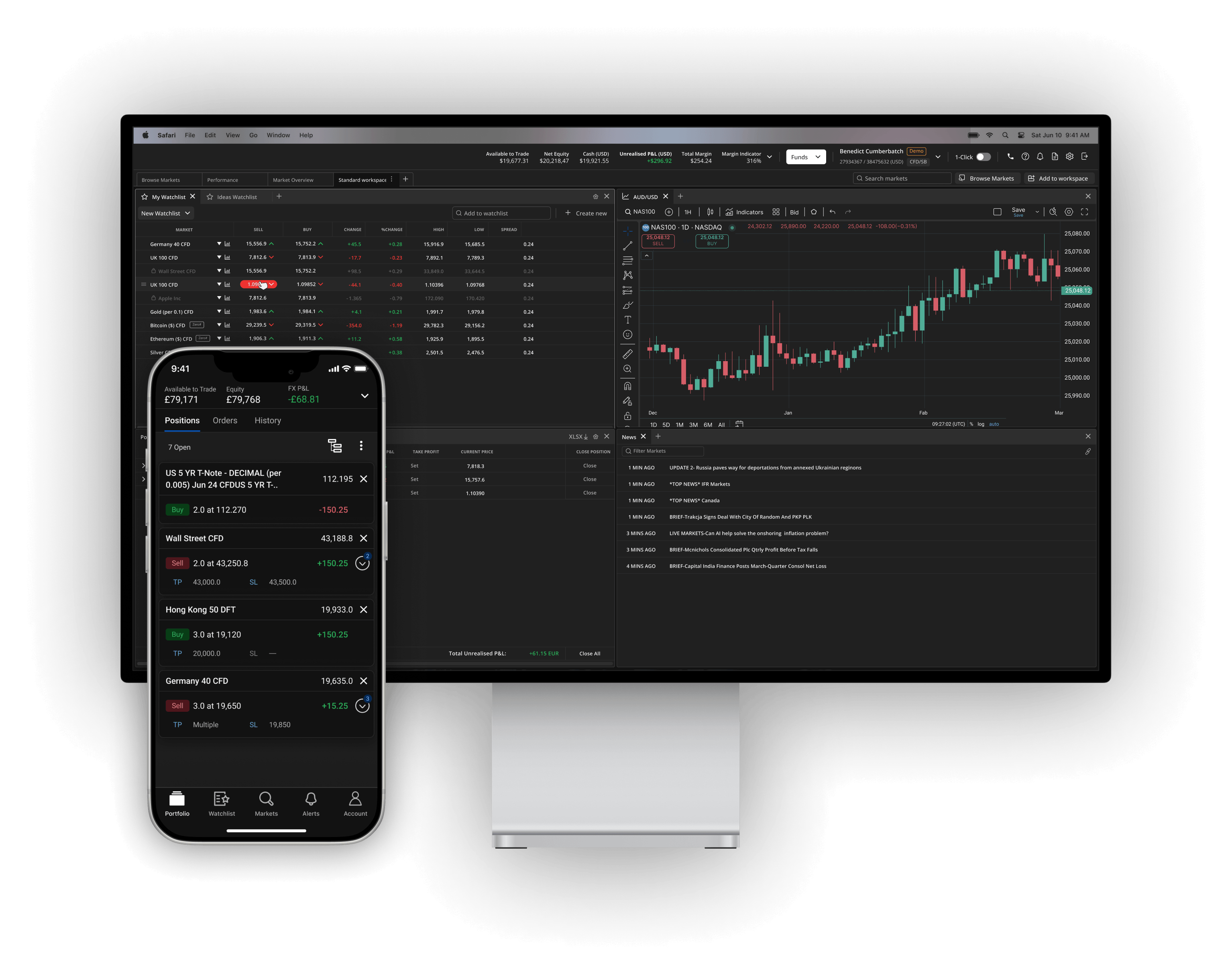
Led interface redesign across several legacy trading platforms.
Designed key product flows and complex trading interfaces.
Established consistent UI patterns across fragmented products.
Introduced iterative collaboration between design, engineering and QA.
Improved usability and visual consistency across multiple legacy platforms.
Reduced interface fragmentation through shared UI patterns.
Accelerated implementation by aligning design and engineering workflows.
Improved implementation quality through closer collaboration with dev and QA.
Established UI foundations later used in the MyStoneX design system.
Rather than introducing a completely new system, the work focused on stabilizing core interface patterns and aligning visual behaviors across products that had previously evolved independently.
This included:
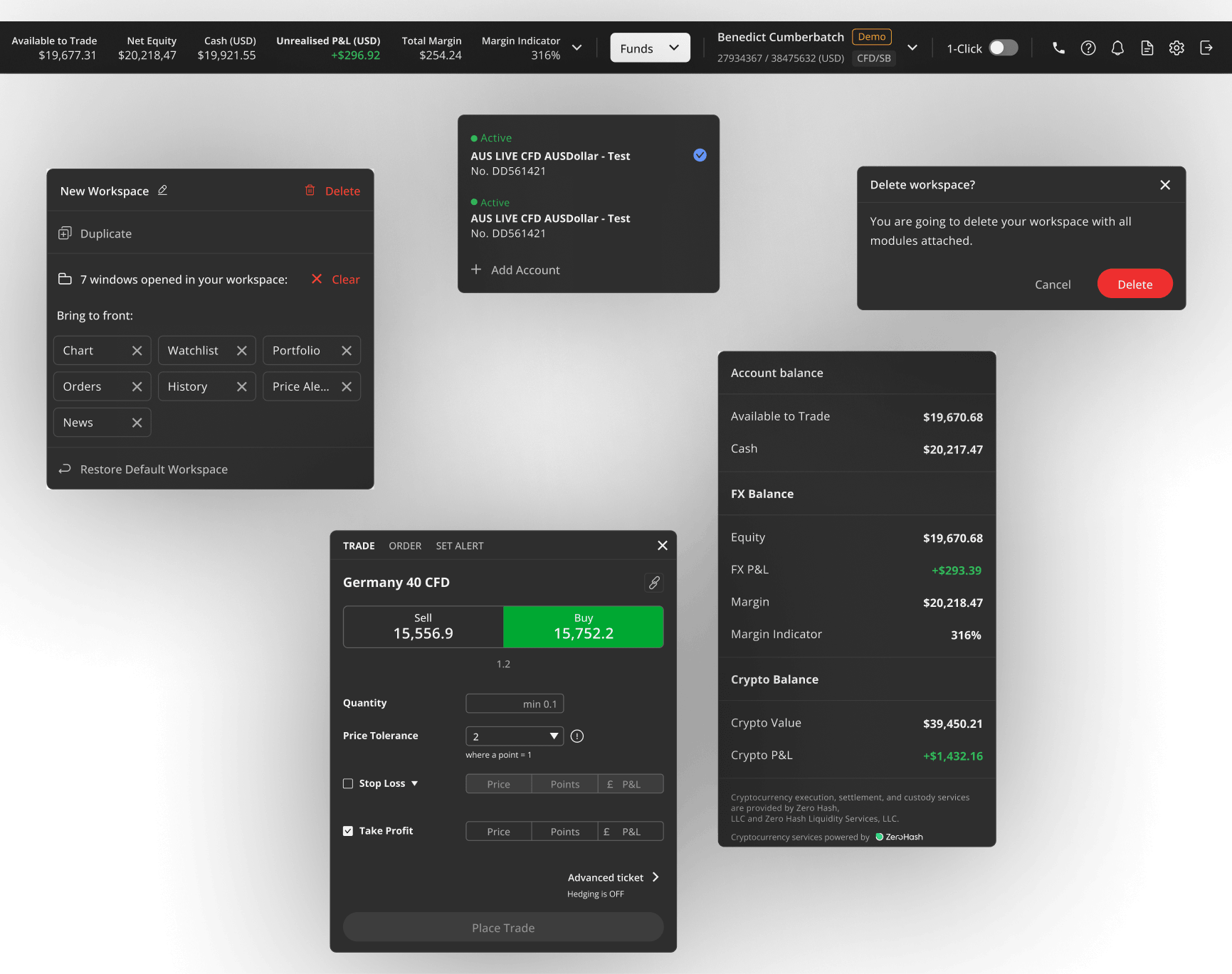
The refresh focused on improving clarity, consistency and usability across several key platform interfaces. Rather than redesigning products from scratch, the work prioritized stabilizing core workflows and modernizing critical screens used daily by traders.
The improvements focused on several areas:
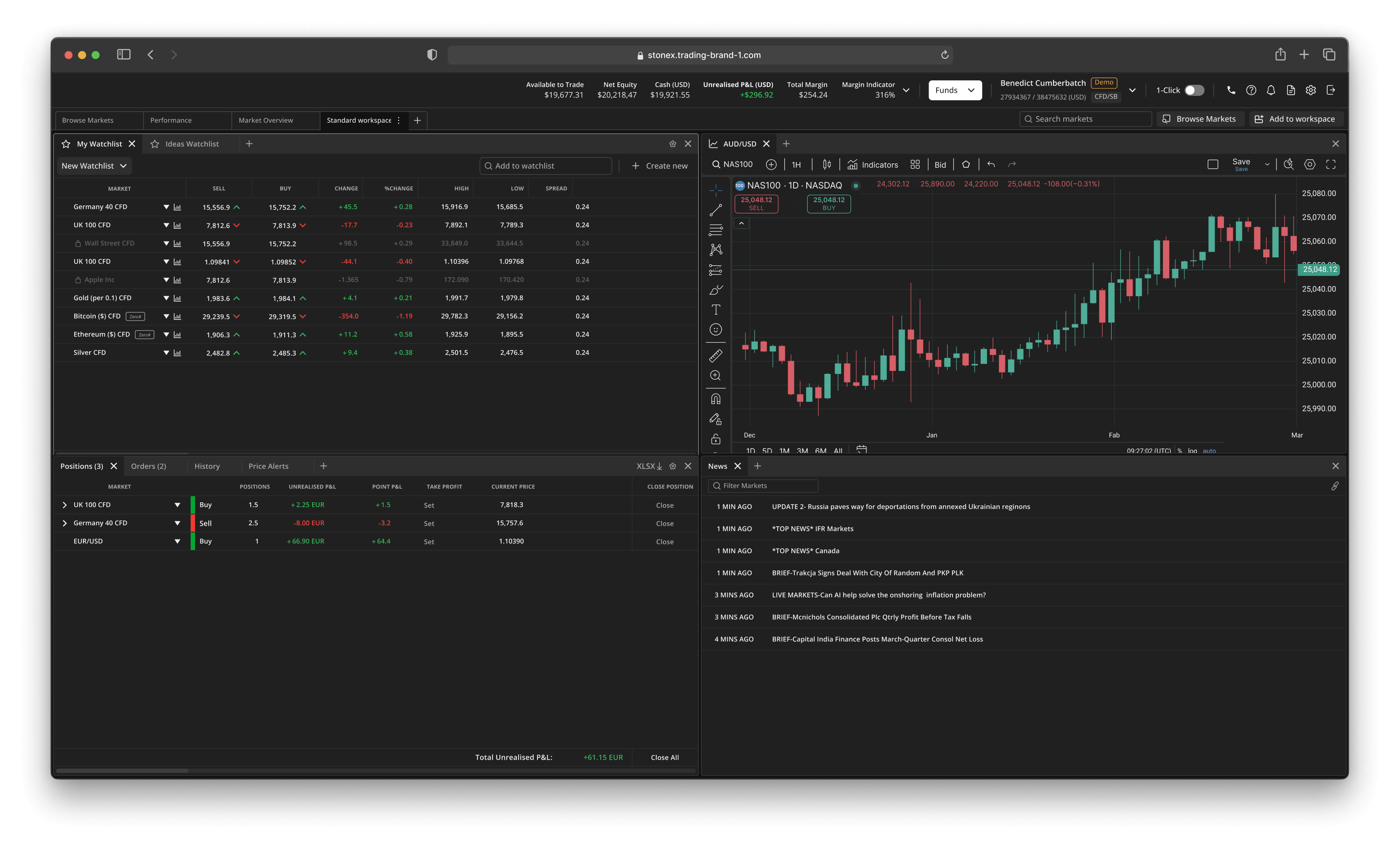
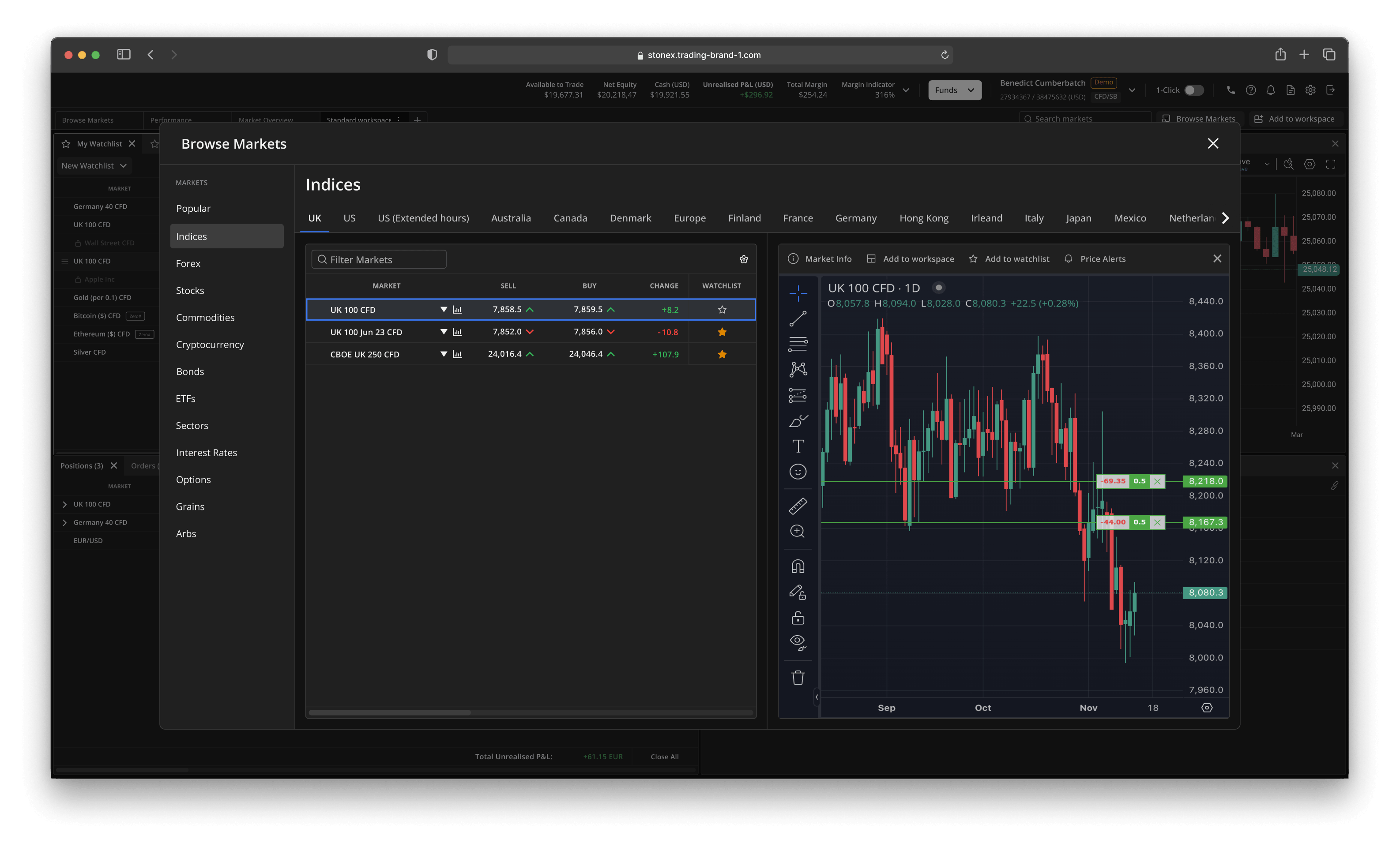
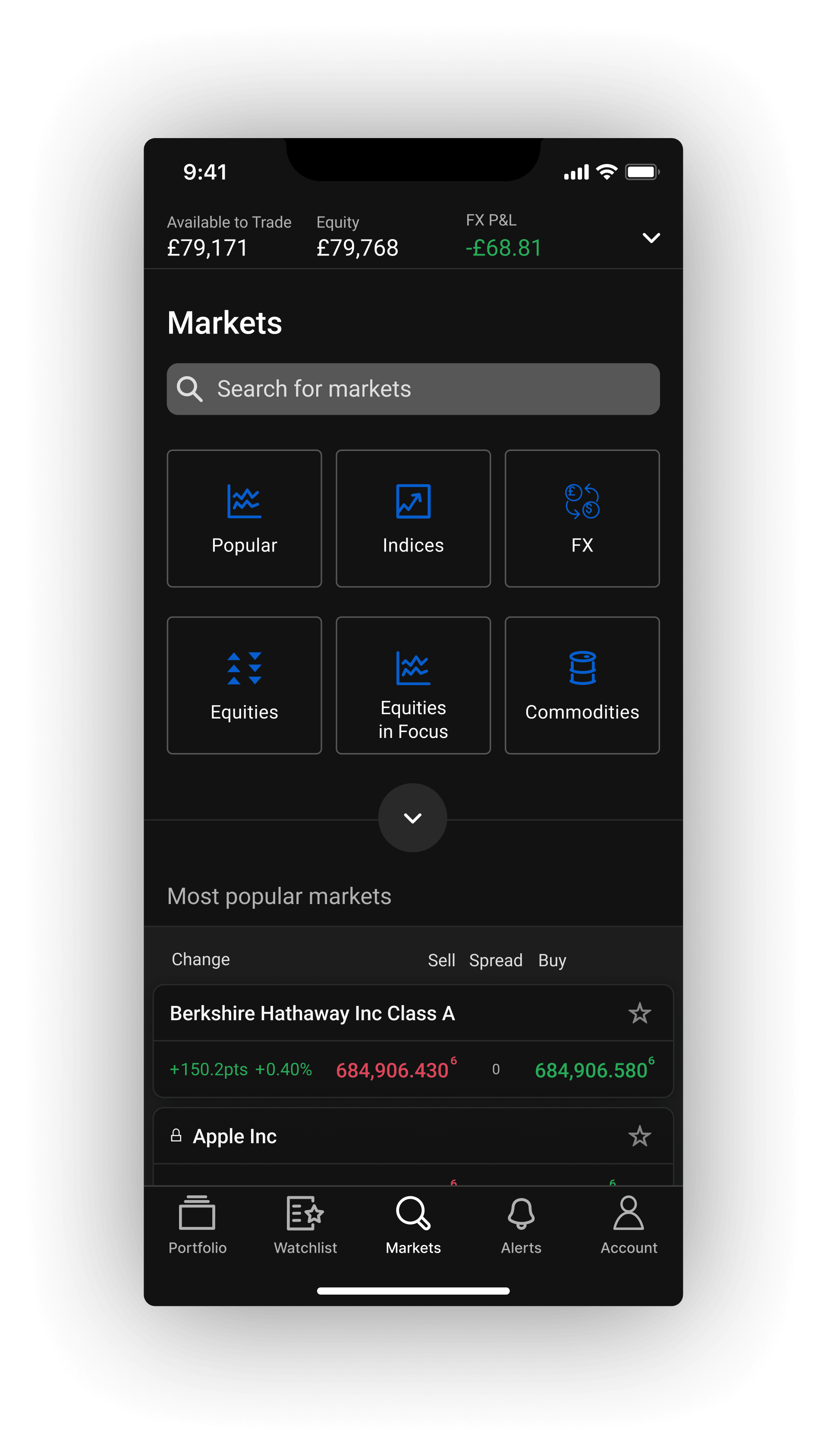
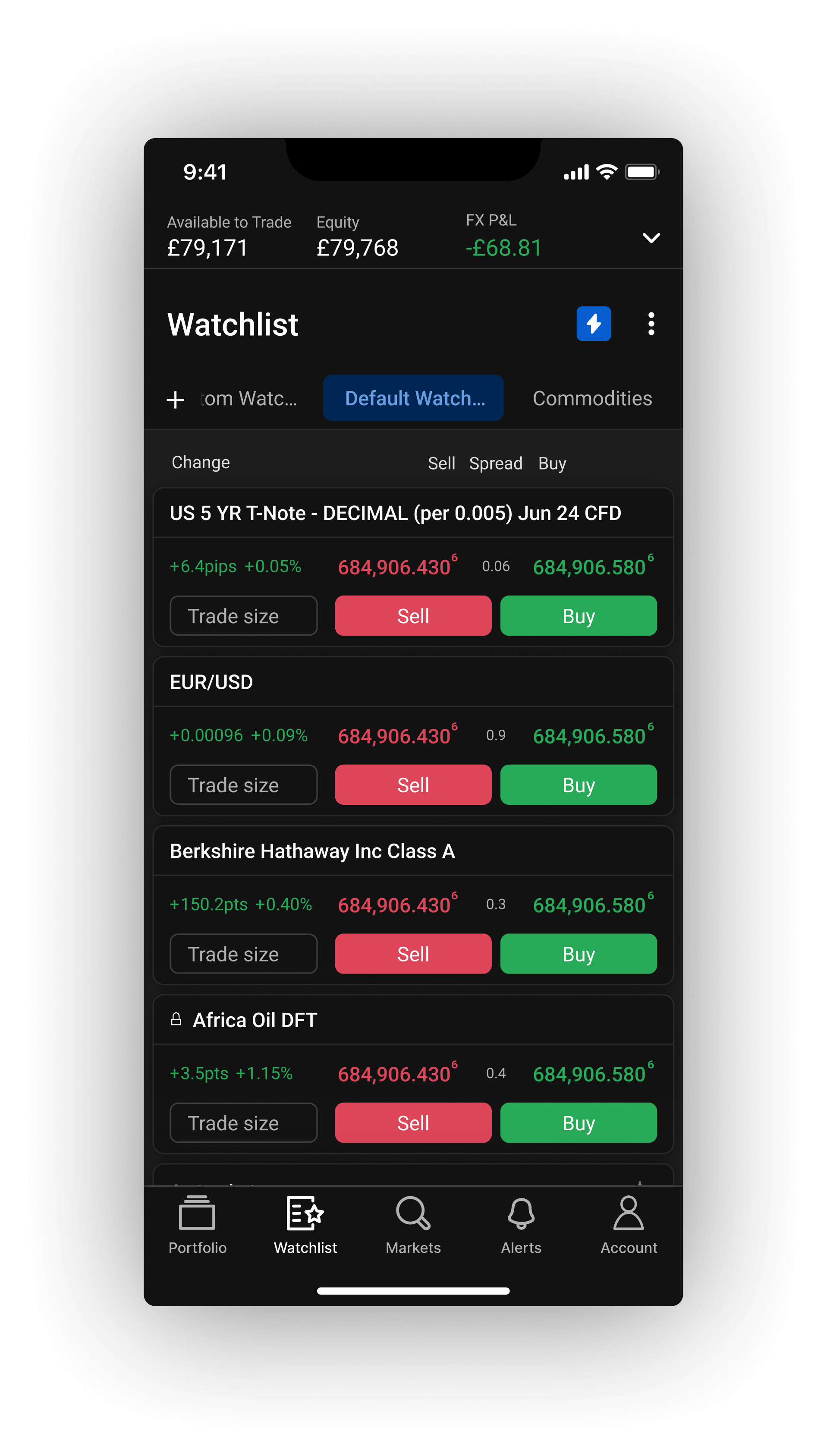
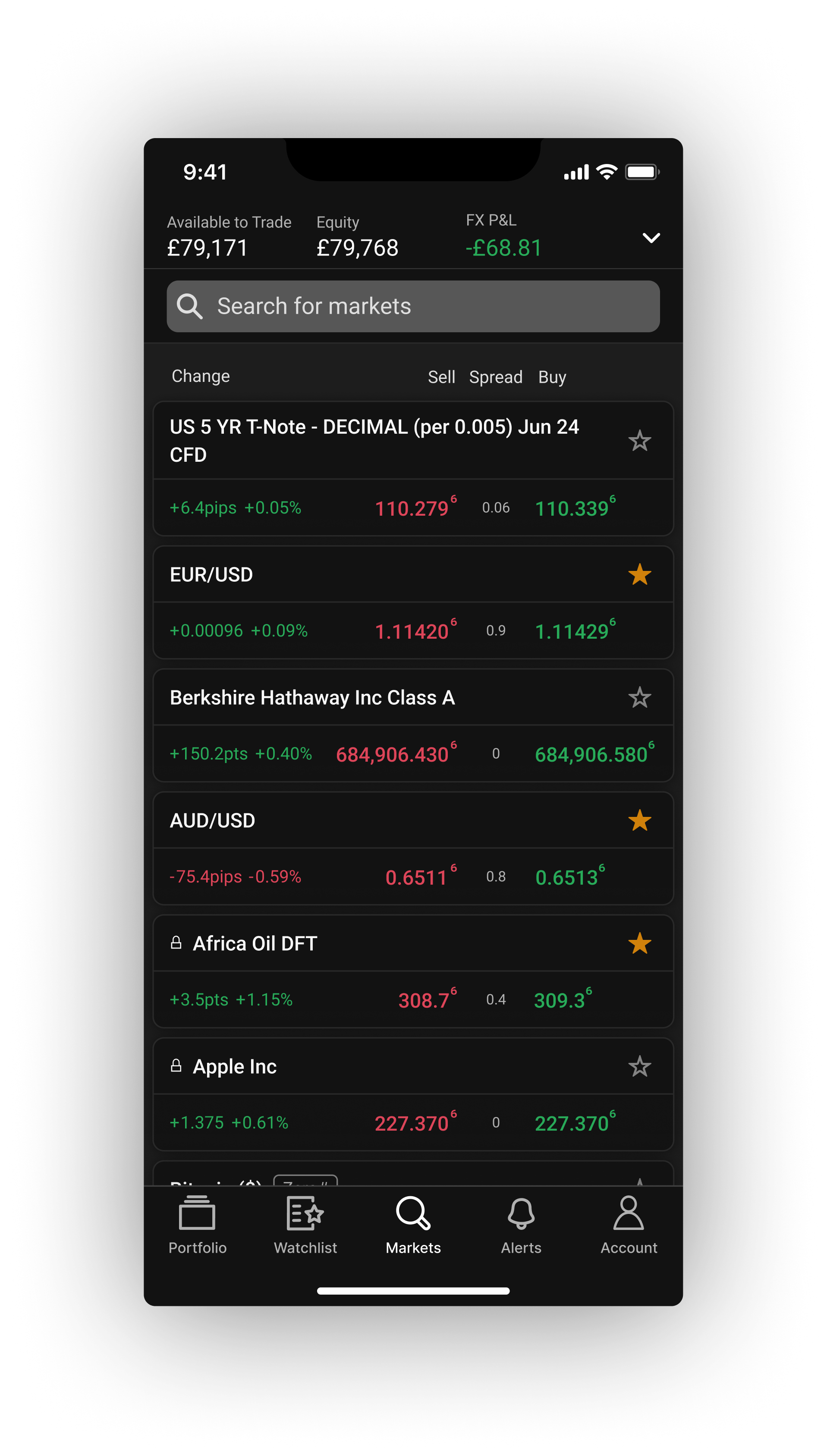
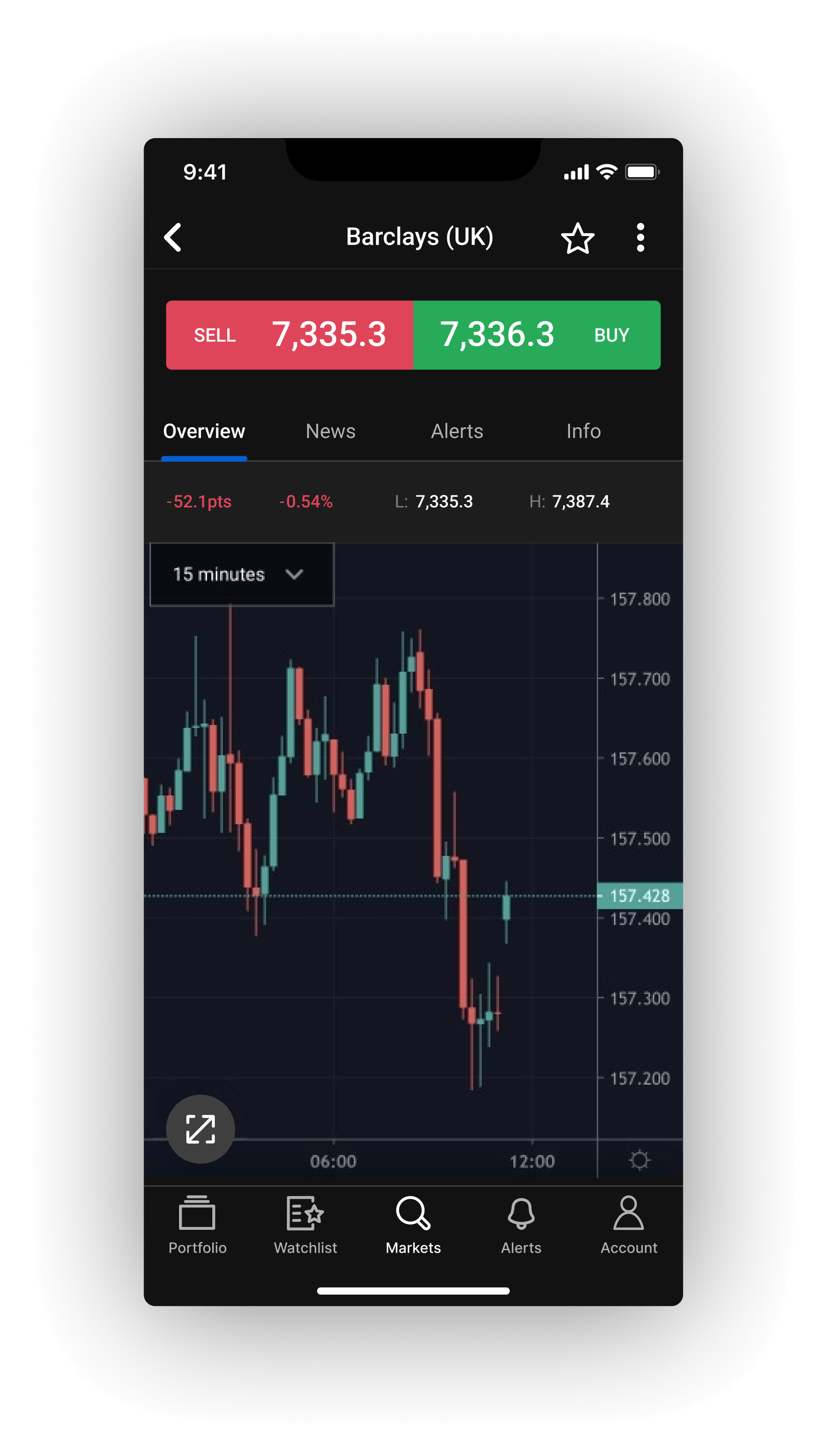
Improving legacy platforms required close collaboration between design, engineering and QA teams. Because many systems had evolved independently, interface decisions often needed to be validated against existing technical constraints and platform architecture.
Instead of working in long design phases, the process relied on frequent reviews with developers and quick iterations on complex trading interfaces. This helped align visual improvements with real implementation possibilities while reducing friction during development and testing.
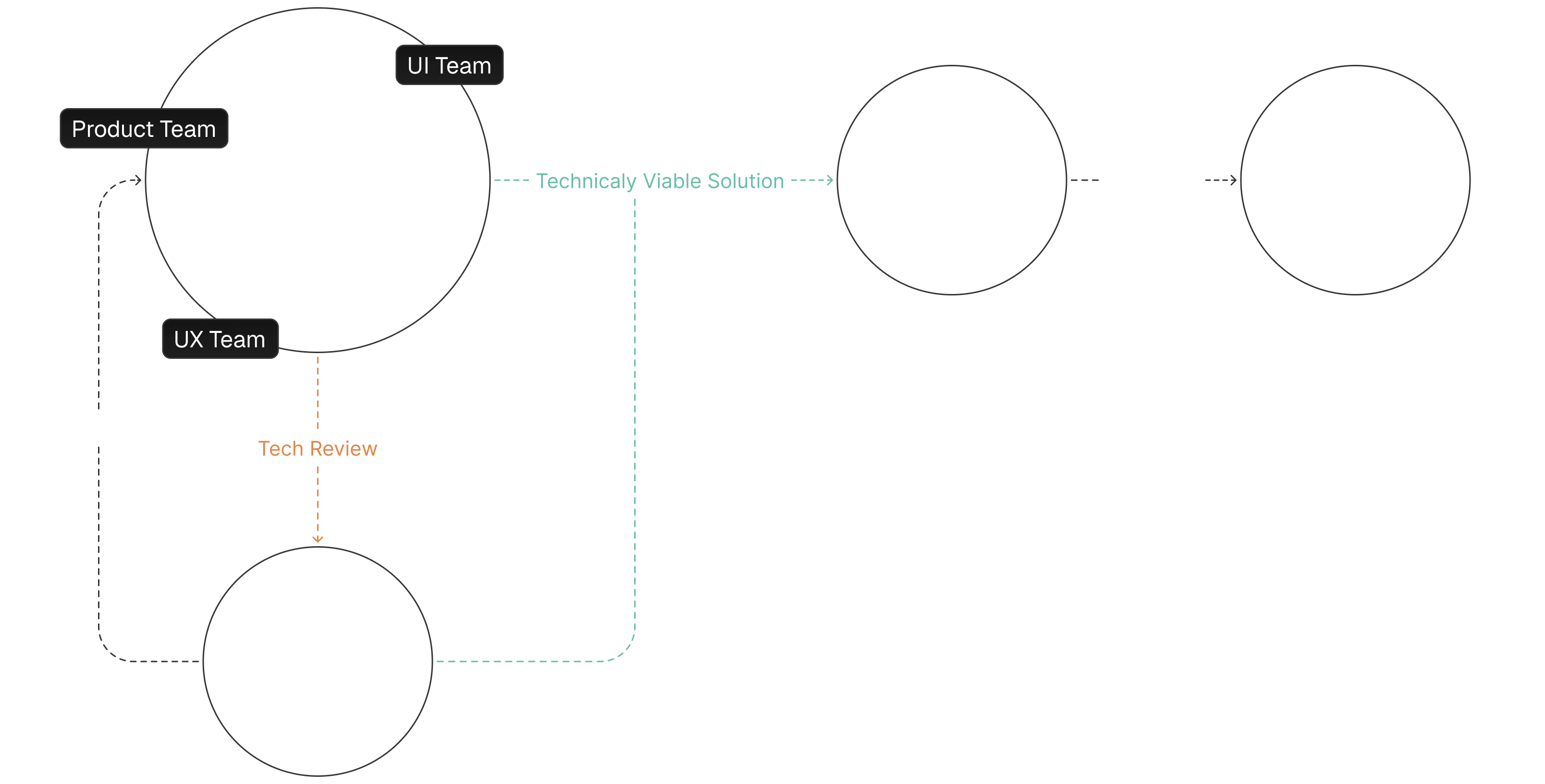
By aligning interface patterns and modernizing key screens, the project reduced fragmentation between products and made platform workflows clearer for both users and development teams. The work also highlighted the need for stronger system thinking across the product ecosystem, which later informed early explorations around building a more structured design foundation.
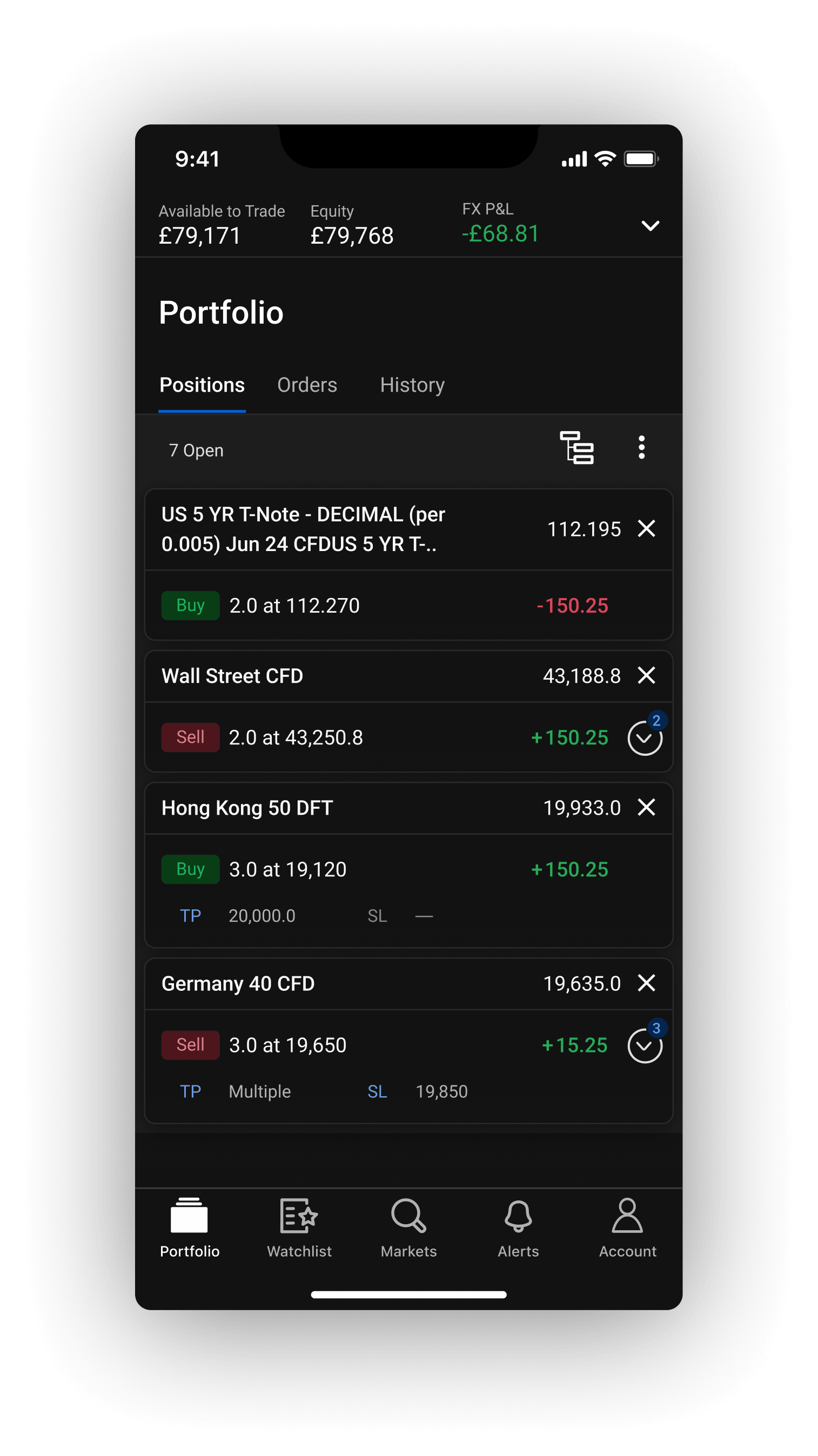
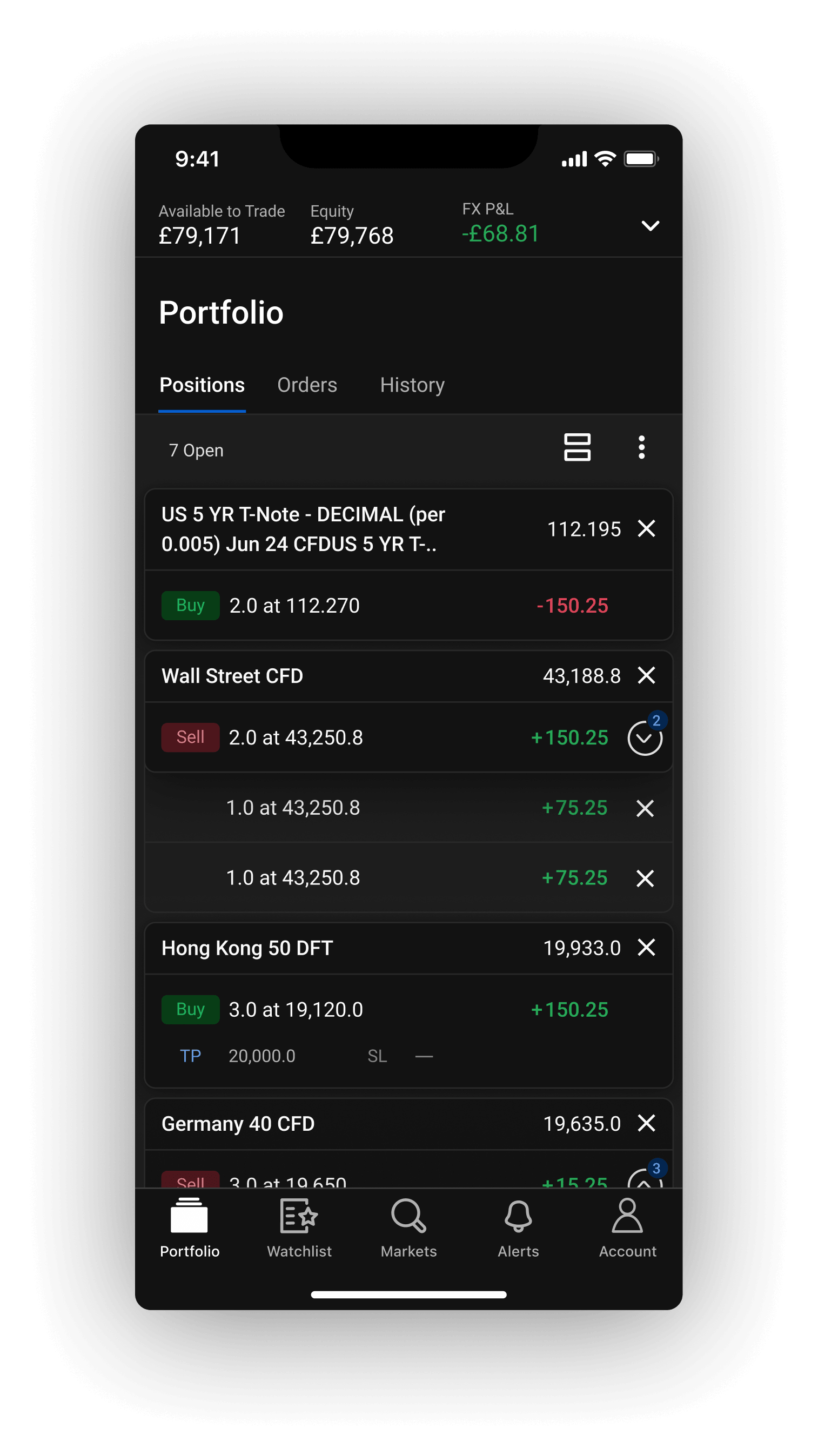
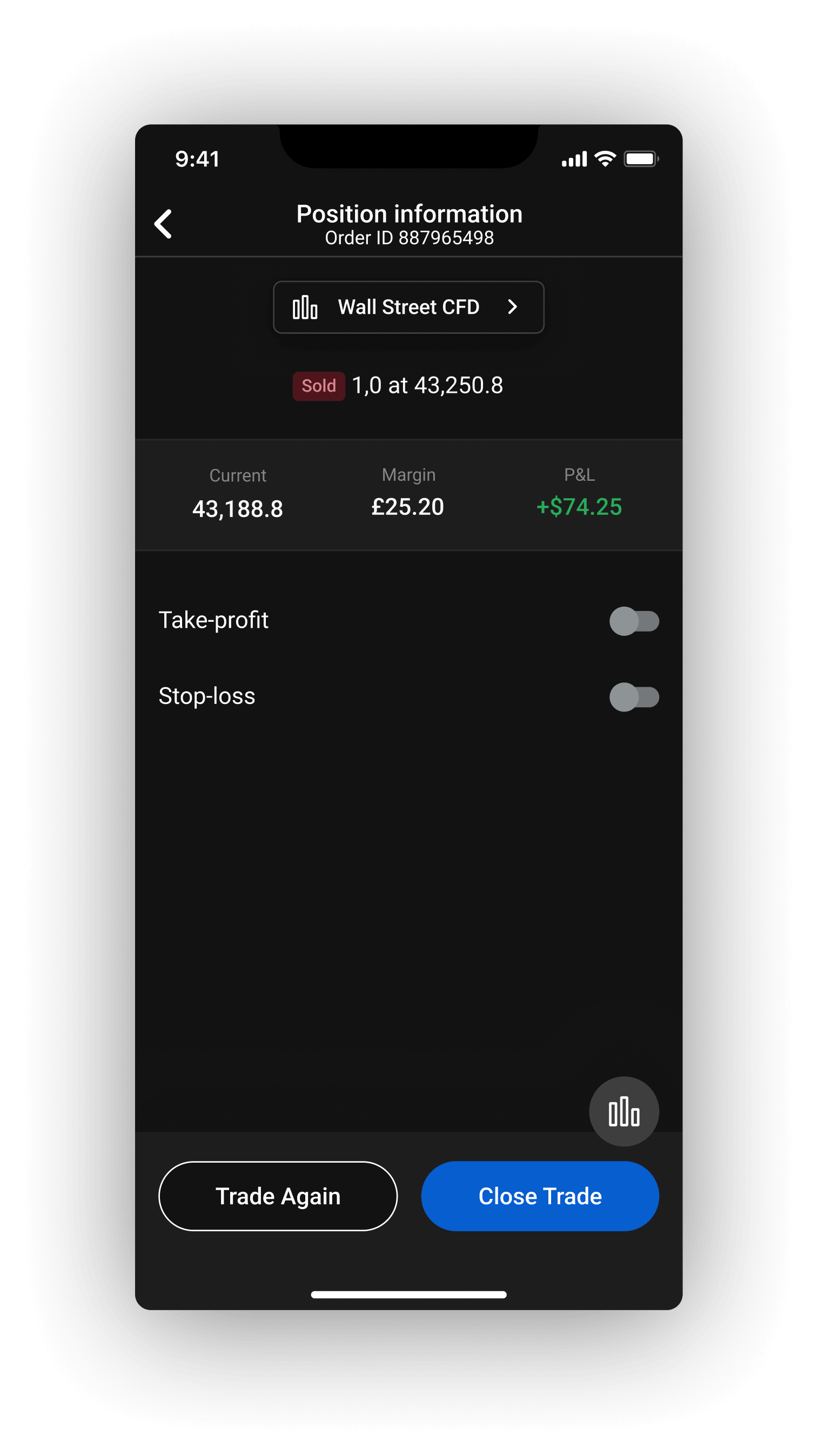
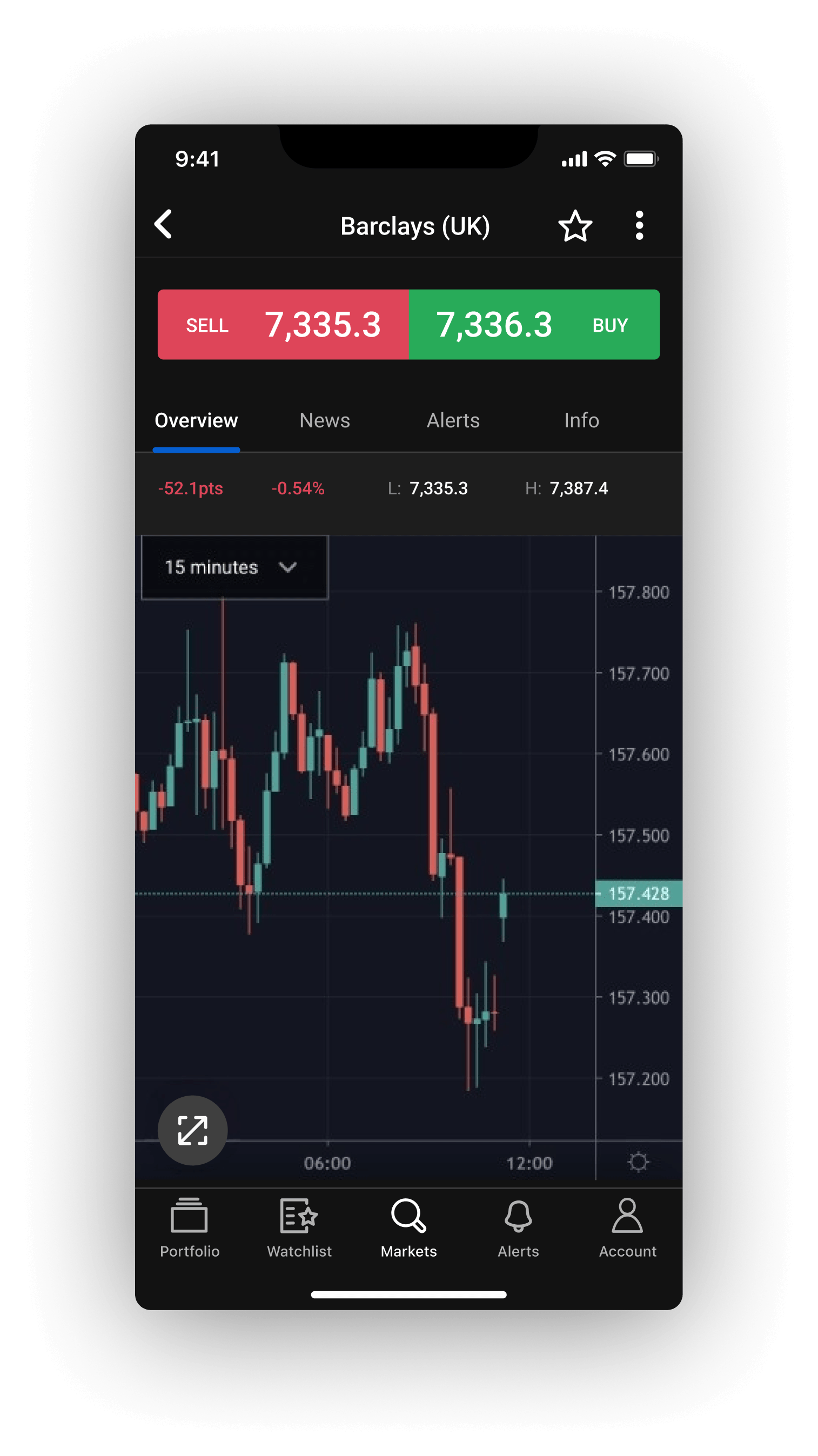
Unified interface components & UX patterns reduced fragmentation across multiple trading platforms.
Simplified complex trading screens, making core workflows easier to navigate.
Closer collaboration with engineering decreased implementation times and improved consistency .
Parallel product streams operated within a shared architectural framework across web and mobile.
Early system thinking laid groundwork for scalable design infrastructure across products.